Affiliate Marketing in 2026: A Complete Beginner Guide
A practical, evidence-aware guide to choosing affiliate programs, creating useful content, using AI responsibly, building traffic, and measuring results—without income guarantees or “get rich quick” claims.

1. What Is Affiliate Marketing?

Affiliate marketing connects three parties: a seller or advertiser, an affiliate or publisher, and a customer. The affiliate publishes content or recommendations and uses a trackable link supplied by an affiliate program. If a qualifying purchase, lead, or other approved action is attributed to that link, the affiliate may earn a commission.
The model can have relatively low startup costs, but it is not automatically passive and it is not risk-free. Useful content, audience trust, compliance, technical maintenance, and regular updates are ongoing work. Results vary widely by niche, traffic quality, offer quality, competition, geography, attribution rules, and the publisher's execution.
2. How the Business Model Works
A simple affiliate journey looks like this:
- Choose a problem and audience. Start with a topic you can research deeply and update over time.
- Join relevant programs. Read each program's rules before promoting anything.
- Create useful content. Tutorials, comparisons, reviews, demonstrations, checklists, and problem-solving guides can all support buyer decisions.
- Use compliant tracking links. Add clear affiliate disclosures and follow platform-specific linking rules.
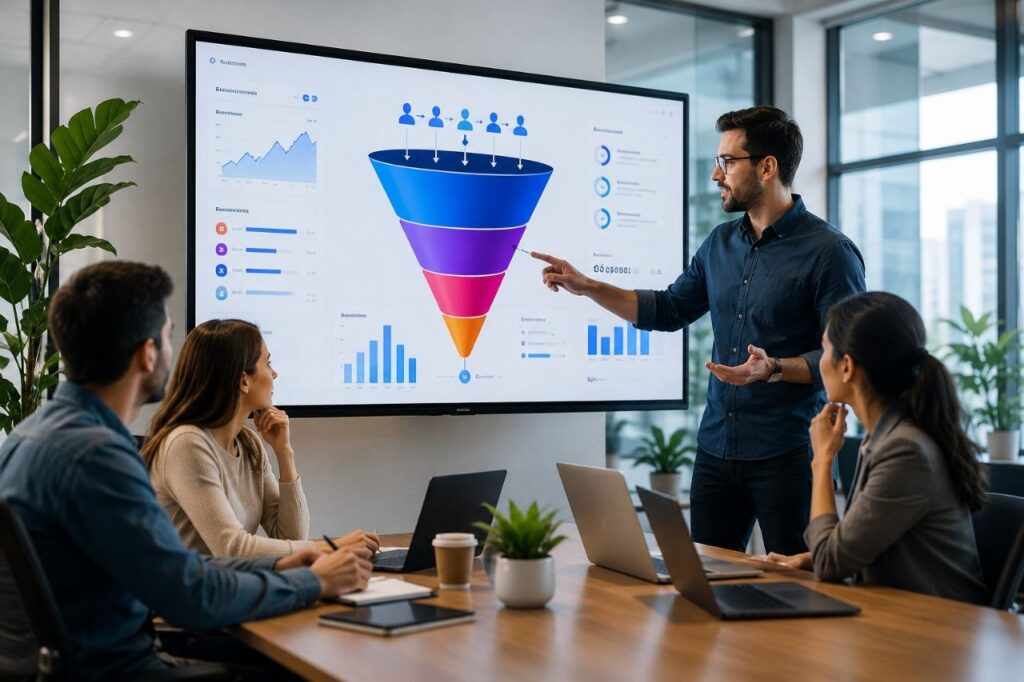
- Measure the full funnel. Track qualified clicks, conversion rate, refunds, chargebacks, and net commission—not vanity metrics alone.
- Improve what readers actually use. Update screenshots, pricing notes, pros and cons, broken links, and outdated claims.
| Metric | What it tells you | Why it matters |
|---|---|---|
| Qualified clicks | Visitors who intentionally click an affiliate link | Better signal than pageviews alone |
| Conversion rate | Share of referred visitors who complete an eligible action | Helps compare content and offers |
| Net commission | Commission after refunds, reversals, or chargebacks | More realistic than gross commission |
| Revenue per visitor | Net commission divided by relevant visitors | Useful for deciding where to invest effort |
| Content freshness | Whether facts, screenshots, pricing, and policies are current | Protects trust and search usefulness |
3. Affiliate Platforms to Evaluate in 2026
There is no single “best” network. The better choice is the network that has a suitable offer for your audience, transparent terms, reliable tracking, payment methods you can use, and merchants you are comfortable recommending.
| Platform | Useful for | What to verify before publishing |
|---|---|---|
| Hotmart | Digital products, courses, memberships and creator products | Commission, attribution model, refund terms, country availability, and vendor quality for the specific offer |
| ClickBank | Digital and direct-response offers | Seller page quality, current commission model, refund history you can observe, HopLink tracking, and promotion rules |
| Digistore24 | Digital products and international affiliate offers | Promolink attribution, regional cookie rules, payout method, vendor terms, and refund/cancellation risk |
| Awin | Retail, services, ecommerce and established brands | Advertiser-specific commission, attribution window, approval requirements and geographic availability |
| CJ | Large advertisers across retail, travel, finance and services | Advertiser approval, program terms, link rules and commission details |
| impact.com | Brand partnerships, SaaS and ecommerce programs | Each brand's contract, attribution settings, validation period and payout terms |
| Amazon Associates | Physical products and broad buyer-intent content | Current category rates, disclosure language, session rules, prohibited placements and payment terms |
ClickBank tracking is not the same as every other network
ClickBank's current HopLink documentation states that a qualifying purchase made within 60 days of a HopLink click can be attributed to the referring affiliate. Payment method and frequency are separate account settings, so avoid treating “60 days” as a universal affiliate cookie standard.
Amazon has program-specific session and disclosure rules
Amazon's standard Associates reporting documentation describes a 24-hour session for placing eligible items in the cart, with additional rules for cart purchases. Amazon also requires Associates to identify their relationship clearly. Always use the current Operating Agreement rather than copying an old cookie-duration or commission table from another site.
4. AI Tools: Helpful Assistant, Not Evidence
AI can accelerate brainstorming, outlines, formatting, transcription, content repurposing, and first-pass research. It should not be used to invent hands-on experience, customer results, prices, product specifications, or quotes. Google says its systems prioritize helpful, reliable, people-first content; using AI does not remove the publisher's responsibility for accuracy and usefulness.
Research & outlines
Use tools such as ChatGPT or Claude to map questions, identify missing angles, create interview questions, or organize notes. Verify time-sensitive facts against primary sources.
Editing
Use AI to tighten headings, remove repetition, simplify explanations, and create alternative examples. Keep your own editorial judgment.
Visual workflow
Tools such as Canva can help turn original data, screenshots, and explanations into readable graphics. Do not create visuals that falsely imply product testing.
Quality control
Run a final human check for unsupported claims, fake experience, outdated pricing, broken links, disclosure placement, and whether the article genuinely answers the searcher's question.
Other tools from the original SmartNovaHub workflow
The original guide referenced a broad tool stack. These services can still be evaluated for specific jobs, but availability, integrations, pricing, free tiers and AI features change frequently. Check each official site before stating current features:
| Workflow | Tools to evaluate | Editorial rule |
|---|---|---|
| SEO research | Semrush, Ahrefs, Surfer | Use data as research input, not as a substitute for original analysis. |
| Funnels / landing pages | ClickFunnels, Systeme.io, Leadpages | Choose based on actual funnel needs, privacy requirements and current plan limits. |
| Creative / video | AdCreative.ai, Pencil, Descript | Do not present predicted ad performance as guaranteed future results. |
| Email / CRM | Kit, ActiveCampaign | Use consent, accurate sender information and working unsubscribe controls. |
| Tracking | ClickMagick, Voluum | Configure tracking in a way that complies with privacy law, consent requirements and ad-platform rules. |

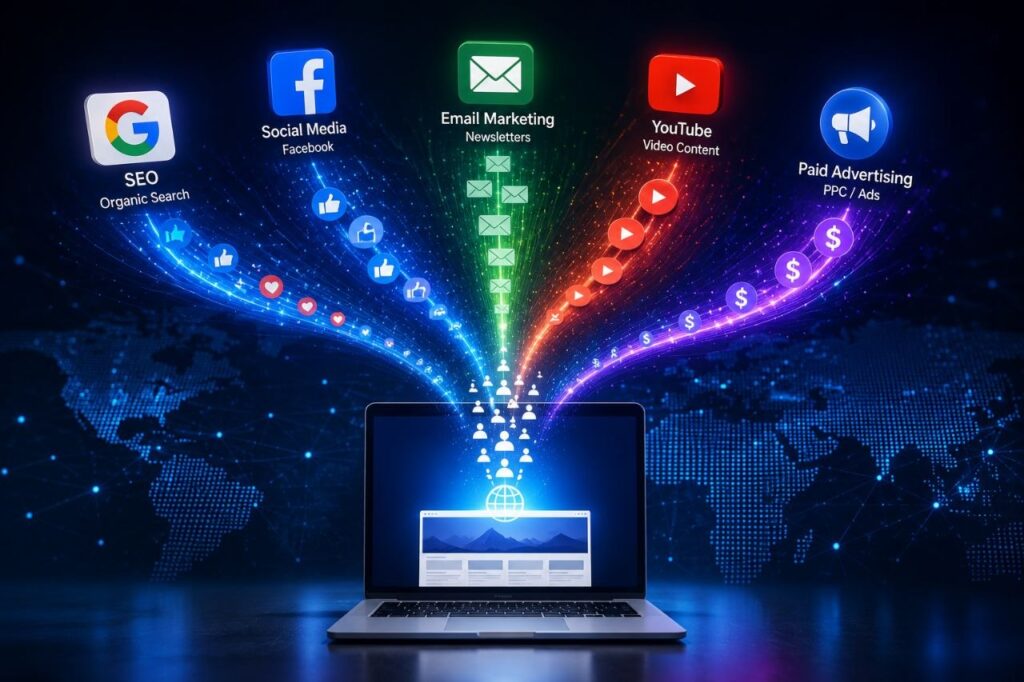
5. Traffic Sources: Build an Audience Before Chasing Scale
A strong affiliate site usually benefits from more than one traffic source, but beginners should master one primary channel before expanding.
Organic search
SEO is useful when you can answer specific questions with original comparisons, clear explanations, first-party observations where possible, and regular updates. Avoid publishing dozens of near-duplicate AI pages simply to cover keywords.
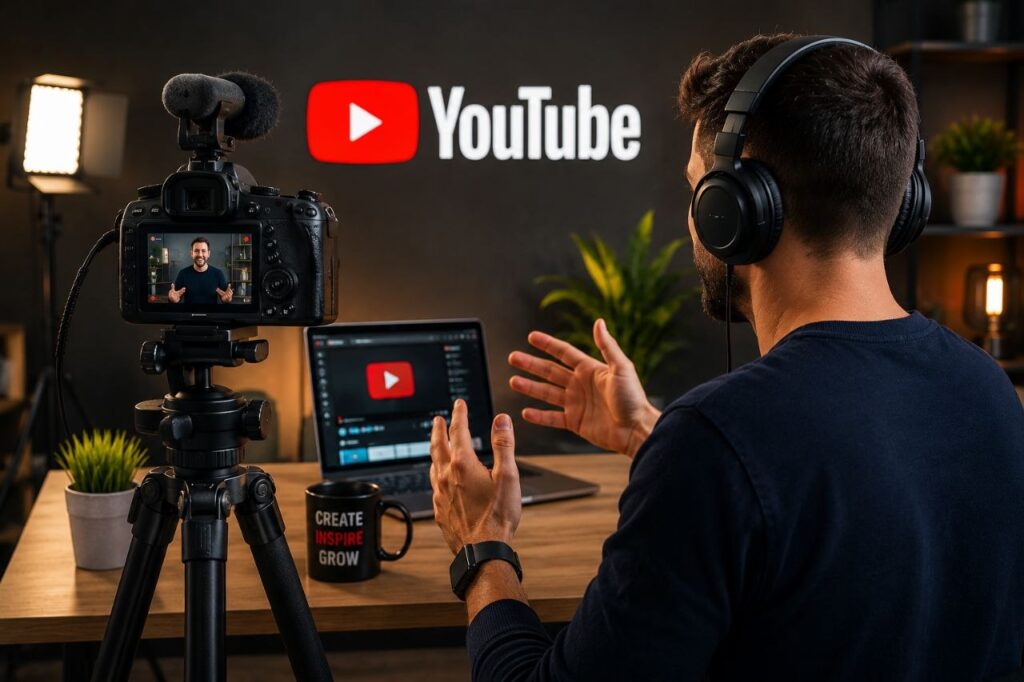
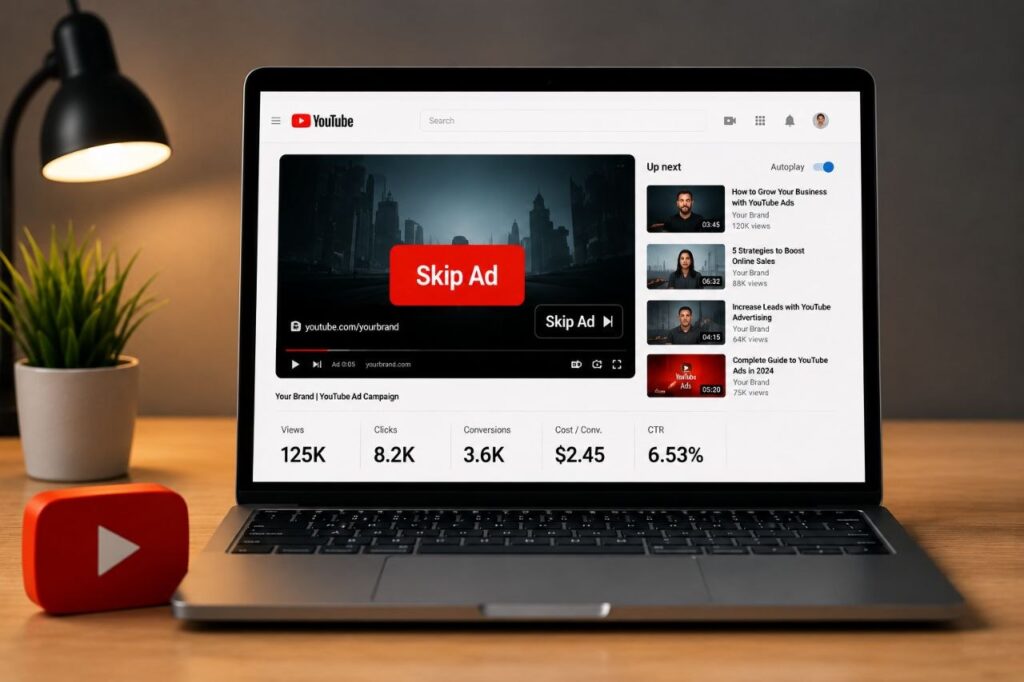
YouTube and video
Video is especially useful when a product benefits from demonstration. Tutorials, screen recordings, comparisons, and “who this is for” explanations can establish evidence that a thin written summary cannot.
An email list can help you retain an audience instead of depending on a single algorithm. Get consent, explain what subscribers will receive, provide an unsubscribe mechanism, and avoid sending misleading scarcity or income claims.

Social and short-form content
Short-form platforms can distribute educational clips quickly, but platform rules change. Treat every platform as rented distribution: build content you can also own on your website or email list.
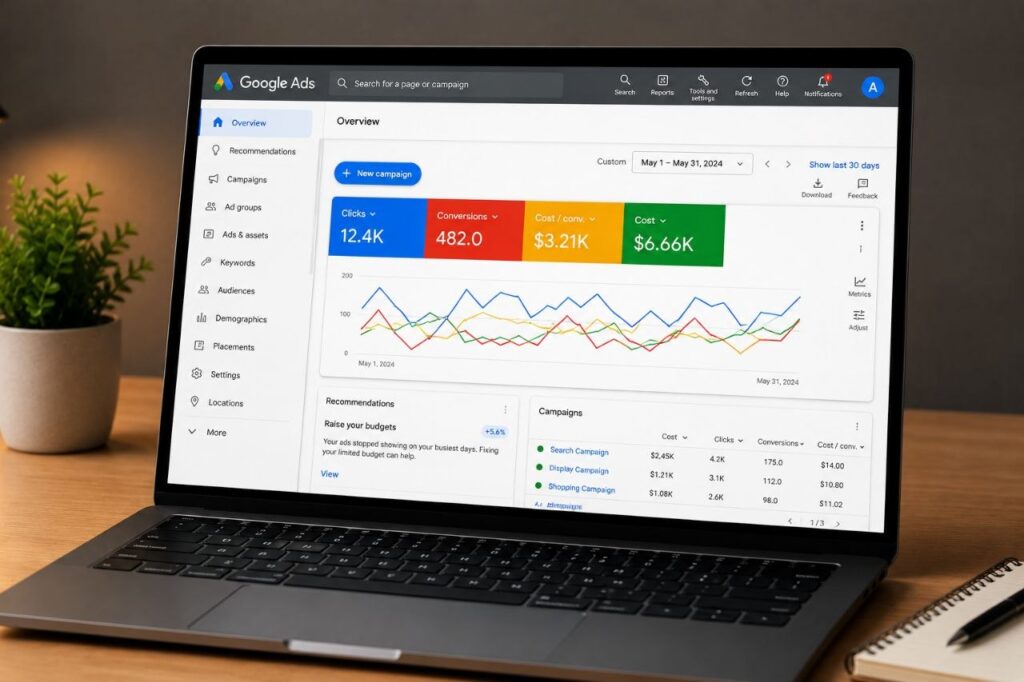
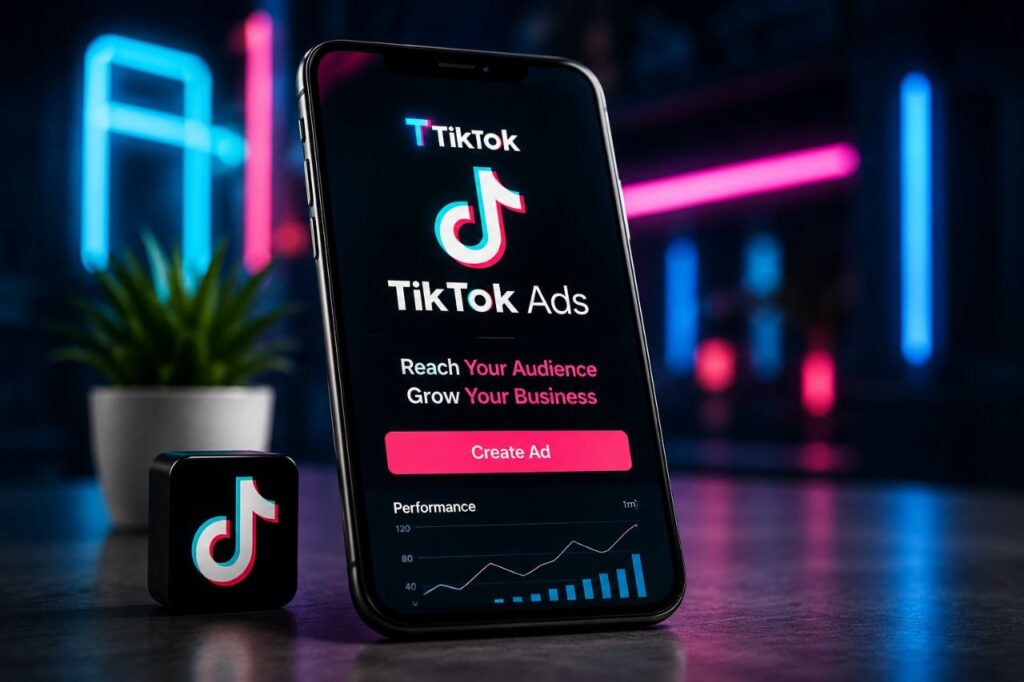
6. Paid Ads: Understand Unit Economics Before Spending
Paid advertising can produce data faster, but it can also lose money faster. Before running ads to an affiliate funnel, verify that both the ad platform and the affiliate program allow the traffic source and landing-page format you intend to use.


7. A Realistic 30-Day Launch Plan
| Week | Main goal | Deliverables |
|---|---|---|
| 1 | Choose a narrow audience and 1–2 programs | Audience problem list, program terms saved, disclosure drafted, 10 content questions |
| 2 | Publish useful foundational content | One guide, one comparison or tutorial, internal links, original screenshots/evidence where available |
| 3 | Build distribution | Repurpose each article into short posts or video; begin email capture only if you can serve subscribers consistently |
| 4 | Review data and improve | Check search queries, engagement, outbound clicks, broken links, factual freshness and user questions; improve before producing more |
A 30-day plan is a launch framework, not an earnings forecast. Search visibility, audience growth, program approvals, and conversions may take longer.
8. Common Mistakes That Hurt Trust and Monetization
- Inventing personal results. Never write “I earned $3,000” or “I tested this product” unless you can substantiate the statement.
- Publishing thin summaries. Add analysis, comparisons, evidence, limitations, alternatives, and a clear reason the page exists.
- Hiding affiliate relationships. Place a clear disclosure where readers can see it before or near commercial recommendations.
- Using outdated platform facts. Payouts, tracking, rates, eligibility, and policies change. Link to current official documentation.
- Choosing offers by commission alone. A high percentage does not compensate for poor fit, misleading claims, weak support, or high refund risk.
- Scaling before validation. Ten useful pages are more valuable than one hundred rushed pages that repeat the same information.
9. Final Thoughts

Affiliate marketing can be a legitimate monetization model, but the strongest long-term strategy is straightforward: publish content that would still be useful if the affiliate link disappeared. When readers can understand the product, alternatives, tradeoffs, risks, and next step from your page, monetization becomes a layer on top of value rather than the page's only purpose.
Continue the SmartNovaHub affiliate series
TikTok Organic Affiliate Marketing in 2026: A Realistic 30-Day Strategy
The $0 Budget Method: Start Without Paid Ads
ClickBank vs Digistore24 in 2026
How to Write Affiliate Product Reviews That Help Readers and Convert
- Google Search: helpful, reliable, people-first content
- Awin: ShareASale closure information
- ClickBank: HopLinks Guide
- Digistore24: promolink attribution
- Amazon Associates Operating Agreement
- FTC Endorsement Guides FAQ
Editorial note: Program policies, commissions, payment methods, and attribution rules can change. Verify the current terms on the official platform before publishing a time-sensitive claim.